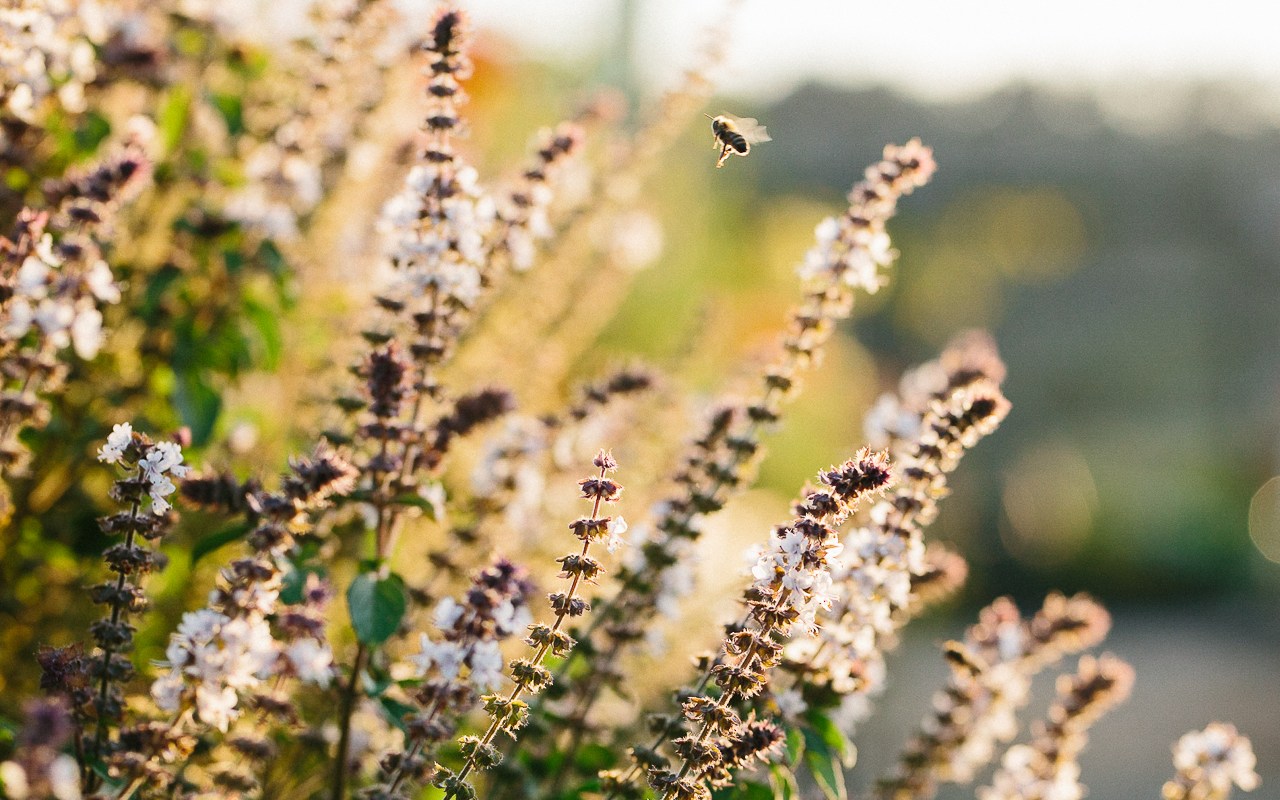
Borage and foraging honey bee

Some are honey bee hubs, others are pungent and peppery. There are modest, girl-next-door types while a few pack some punch. However they come edible flowers deliver an other-worldly sensory experience in the garden and on the plate. The crafting of food becomes a palate for color and flavor, adding unmatched vibrancy to meals.

Sweet and understated, borage flowers are a nectar producing workhorse tasting delicately of cucumber. It’s easy to be persuaded to overlook it’s prickly leaves and prolific, self-seeding habit. I simply pull what I don’t need and move volunteers to the ends of kitchen garden beds for a tidy, book-ended look. A popular foraging source for pollinators such as honey bees, borage is an annual but grows nearly year round in mild climates. Perfect in salads, as a garnish, you name it.

Nasturtium

Grow nasturtium if you’re looking for a bit of spice and a bright pop of color. The flowers are substantial, hold up well in heartier meals and are easy to propagate. Children are reliably fascinated by their round, lily pad like leaves and rolly polly looking seeds. They don’t tolerate frost but are happy to volunteer when the temperatures warm up and quickly occupy any space with their trailing habit. An annual and deer favorite.

ChivesAdd chives to nearly any recipe. Throw in leaves and flowers to replace green onion. I prefer growing them in raised beds or containers where they’re easy to manage. (They spread with a mind of their own in a landscape.) A lovable perennial that can be grown from seed or propagated by divisions.

Calendula and garden spiderCalendula is a 5 star, all-star annual. A charming, can’t-go-wrong companion plant, easy self-seeder but also easy to tidy and beautiful with almost any color scheme. It’s one of my favorite among a quiver of go-to herbs, healing skin irritations among other complaints. Harvest and eat the petals. Lovely in salads especially when combined with borage.

Soap root/Chlorogalum pomeridianum

Gardening is part planning, part serendipitous and 100% rewarding – in a pick yourself up by your boot straps sort of way. I love the reliably unexpected moments of discovery. Volunteers and new comers mixing up a planting plan, traveling pollinators and crops that sometimes fail but often succeed. My best plants, like best friends, best pets and best moments, seem to simply arrive right when I need them most. Even when I didn’t know I needed them.

This particular plant is the one I happened to find on a trail in the Marin Headlands. At the time, it was just a bulb – a soaproot bulb, Chlorogalum pomeridianum. I set it to the side of the trail and I remember thinking if it was still there when I came back through I’d give it a home and see what happens. Well, here it is. All grown up. And, while it’s not my showiest plant, it’s demure nature and panicle of flowers are elegant. It reminds me of the pacing and rhythm of natural landscapes. Not simply for the sake of habitat but for beauty. Creating landscapes requires attention to plantings that punctuate as well as plantings that are the unique fibers that weave together to make a lasting impression.


Entering Swanton Berry Farm Store

It doesn’t look like much from the outside but when you walk into the Swanton Berry Farm store it’s a wonderful shock to the system. It’s like a perfectly dreamy flashback full of berries, treats and wish-you-had-it memorabilia. All senses are on from the get-go. The welcome sign invoking the honor system, the pie waiting for you in the case and the jam tasters will get your engines going and make you wonder why the rest of life, shopping, etc. isn’t like this.

Self Serve Moto

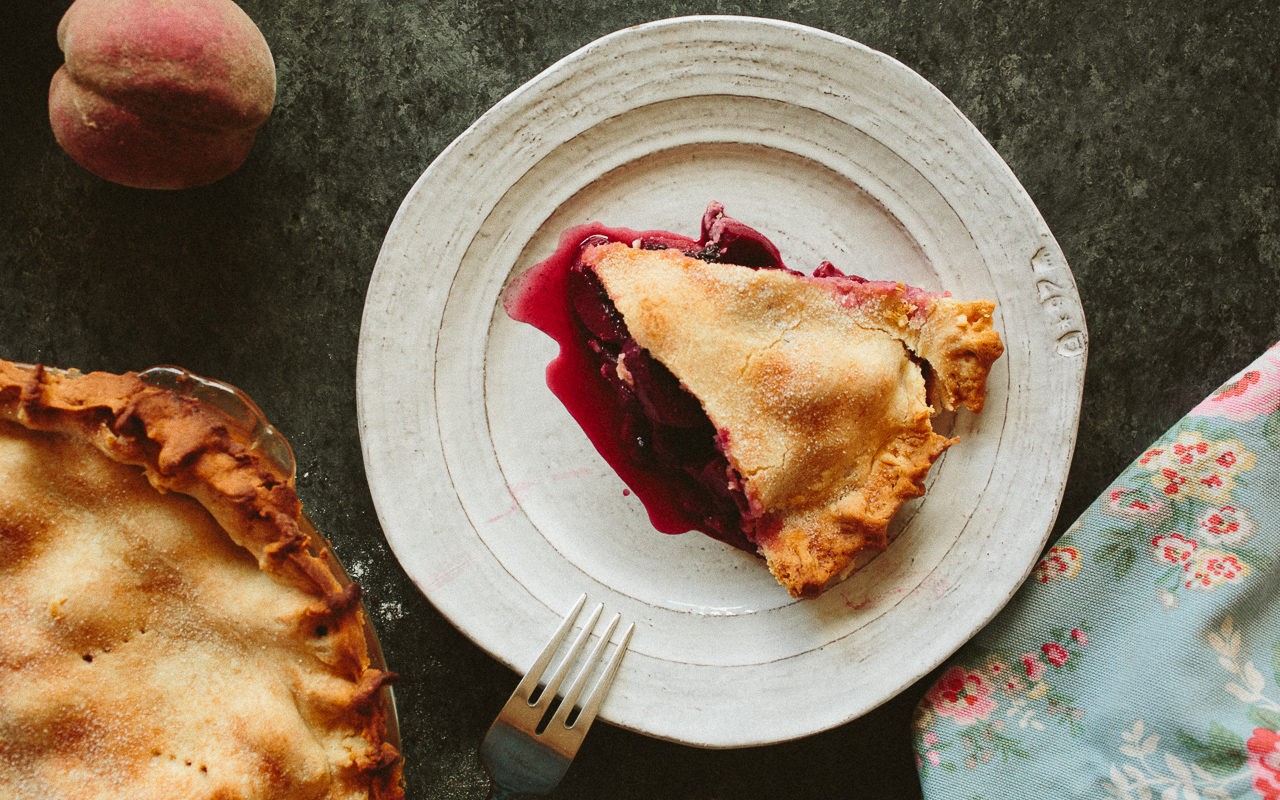
We made a bee line for the jam tasting served up on animal cookies (logan berry and olallieberry were our winners) and then wandered around the store before self-paying for our strawbs, et al. (strawberry short cake, chocolate covered strawberries, jam and pie).

Goodies at Swanton Berry Farm Store

More Goodies

It all looks amazing...

Fun, groovy humor.  Love it.

We walked away with more than sweet, organic strawberries. This place is a slice of life. It’s the flavor at the heart of the farm. Quirky, fun and honest – confirming what all food should aspire to be. Honest.

Honor System

Mixing fun with food grown on the honor system is even better.

Read more about the Swanton Berry Farm.

Ron Finley delivers some great one-liners in his Ted Talk presentation. “Plant some sh*t… get gangsta with it” being tops on the list. But his message is bigger than that. His movement of creating a food forest out of the food desert in South Central LA is simple and yet so very powerful — human and global.

What else can we do?

The art of crafting a garden is one of the most fulfilling and sometimes hair pulling endeavors to embark upon. Clean lines, starting small and including plants you love is a good place to begin. But when choosing plants count on the emotional takeover of the five f’s: flowers, fragrances, flavors, fauna and family. They are a convincing set of plant selection lobbyists.

We all have flowers we love for our own particular reasons, many of them pertaining to the remaining f’s. Your grandmother grew it, it’s perfect in salads, the fragrance takes you to another world, igniting memories or you simply love the hummingbirds, honeybees and other critters that visit your garden because of the flowers you grow. Or it may be the interweaving story told by a particular plant and, in turn, the story it tells about you.

Case in point, my grandmother. She was one of my first teachers. She taught me how to be in nature, to wildcraft, to garden and to paint. We went on long walks where she would point out edible mushrooms, berries to pick along with other treasures and these hikes were always punctuated with calling the cows in for the night. She loved me without question and I adored her beyond words and with her came her favorite everything, especially plants, starting with the five f’s. They are now my plants and more. With them comes all of the emotion and personal attachment from her years of working with them now added to my own.

I believe it is nearly impossible to be immune to any of the f’s. We each have our stories, our people and our plants — including the ones we have yet to meet. That’s why, in part, going to the nursery, walking through particular gardens or broader landscapes reach us and speak to us on so many levels.

The five f’s are defining and wonderful but they can also muck up the works and prove confusing when you’re attempting to put together a cohesive planting plan or you’re facing a mound of seed packets — more than can be planted in your budding garden. It’s also important to remember that most plants aren’t generalists but designed to grow in particular soils and climates. My advice: breath, prioritize, assess your location as objectively as possible and relish in the perceived chaos.

Green-Pumpkin-Seeds

My early spring to-plant list always includes pumpkins. A garden without pumpkins must be like committing spring planting heresy. It’s just not right. And of course they have to be accompanied by loads of other squashes.

Lupin-Seeds

Lupines are a hardy bunch from seed to flower. Like an independent teenager, they tend to strike out on their own, volunteering in places of their own choosing. (Places that tend to be inhospitable and far from their initial starting point.) Their seeds must be some of the most beautiful, I think in part because of what is waiting inside, the beginnings of eye-catching but humble flowers and foliage.

Pre-treat the seeds with a bit of roughing up.

Scarlet-Runner-Beans

I think I could convince nearly any child to barter and trade using scarlet runner beans as currency. I know my brother could have swindled me out of my allowance by offering these beans as trade. Sunflower seeds might have been the only other seed to compete with them.

Sunflower-Seeds1

Sunflower seeds, sunflower sprouts, sunflowers. Perfect my design. Simple.

Chard-Seeds

I sometimes think seeds are taken for granted, like these chard seeds for instance. I’ve planted plenty of chard in my life but it wasn’t until I mixed them up with all sorts of other seeds that I was suddenly struck by them. I was teaching in a school garden and planned to introduce seeds and plant life cycles to the children with a seed sorting activity. I took several different varieties of expired seed packets, emptied and mixed them in a mason jar for the coming lesson. When I spread handfuls out in front of the kids in little, mosaic piles on top of black construction paper the students quickly separated the larger beans and corn. Then, all of a sudden here was this seed – a chard seed. It is so prehistoric looking compared to the others. Like the vertebra of a long lost creature.

Calendula-Seeds

And, finally, prehistoric #2 – my beloved calendula. Gotta have it.

Weeds

The thought of weeding conjures up all sorts of reactions from people. There are weeding haters, weeding lovers and an entire range of folks somewhere in between – in the toleration zone. And the basic fact, no matter how you feel about it, if you keep a garden there is weeding to be done.

5 Reasons to Weed:

1. Weeds are messy. And messy is never relaxing.

2. Weeds can be a home to pests such as slugs, snails or other diseases that would be perfectly happy to take advantage Weed Madnessof any and all nearby plantings.

3. Weeds compete for resources. Water, nutrients and light being top on the list.

4. Some weeds are alleopathic, exuding chemicals that slow the growth of the plants around them.

5. If ignored, weeds will take over your garden. Plain and simple.

5 Reasons to tolerate Weeds:

1. Weeds can be important to pollinators. You might be ready to attack the dandelions in your lawn but those Noxious Weeds in the Veggie Beds!same flowers may also be some of the first flowers a hungry bee has seen in months.

2. Weeds can be pulled before seeding to make compost, dug in to make green maure or left, pulled and dropped on the soil, as mulch.

3. Some weeds are edible or medicinal. Try dandelion greens in your salad, or better yet, dandelion wine, red clover tea or, one of my favorites, chickweed pesto.

4. Weeds can be left as living mulch, keeping soil temperatures cool, trapping moisture and protecting soil.

5. Ha, I can’t think of a 5th. But maybe the first four will help you prioritize or reduce your weeding boycot guilt.


Blossoming Plum

The contrast of a flowering fruit tree on a winters day is like a chocolate and vanilla swirl ice cream. A perfect combination. The simple beauty and cheery enthusiasm of these flowers set against a cool, gray afternoon doubles up as both cozy and enlivening.

Spring Inside

Fleeting and irresistible. Bringing these flowers inside is a like a hug to winter and a sneak peaking hello to spring. I put flowers in anything, canning jars being my typical go to, but this vase is pretty smart.

Plum Flowers

Love it.


Marin Country Mart Veggie Bed

How much space do you need to garden? What counts? It’s one of the latest questions buzzing around the garden world since NPR covered a study on urban gardening in Chicago. Researchers from the University of Illinois at Urbana-Champaign used Google Earth to find over 65 acres dedicated to food production — or at least what looked like food production.  These acres were patched together from abandoned lots, backyard, side yard, and roof top garden spaces.  And in just two short years the acreage has doubled.
Edible Plantings - Photo from P. Allen Smith

But what counts as a garden? How much space do you need or, maybe the question should be, how do you make space for a garden?

Garden from Gutters - Photo from the Corner Blog

I love the idea of creating a garden out of galvanized containers, gutters or troughs. Maybe a bit of room can be maximized with a dash of creativity and possibly the materials on hand? You may not become a self-sustaining homesteader overnight, but supplementing your and your family’s needs is pretty cool. And, as far as I’m concerned every garden of any size can be made to be beautiful.

Late Summer Trough Garden